 Daily Bread House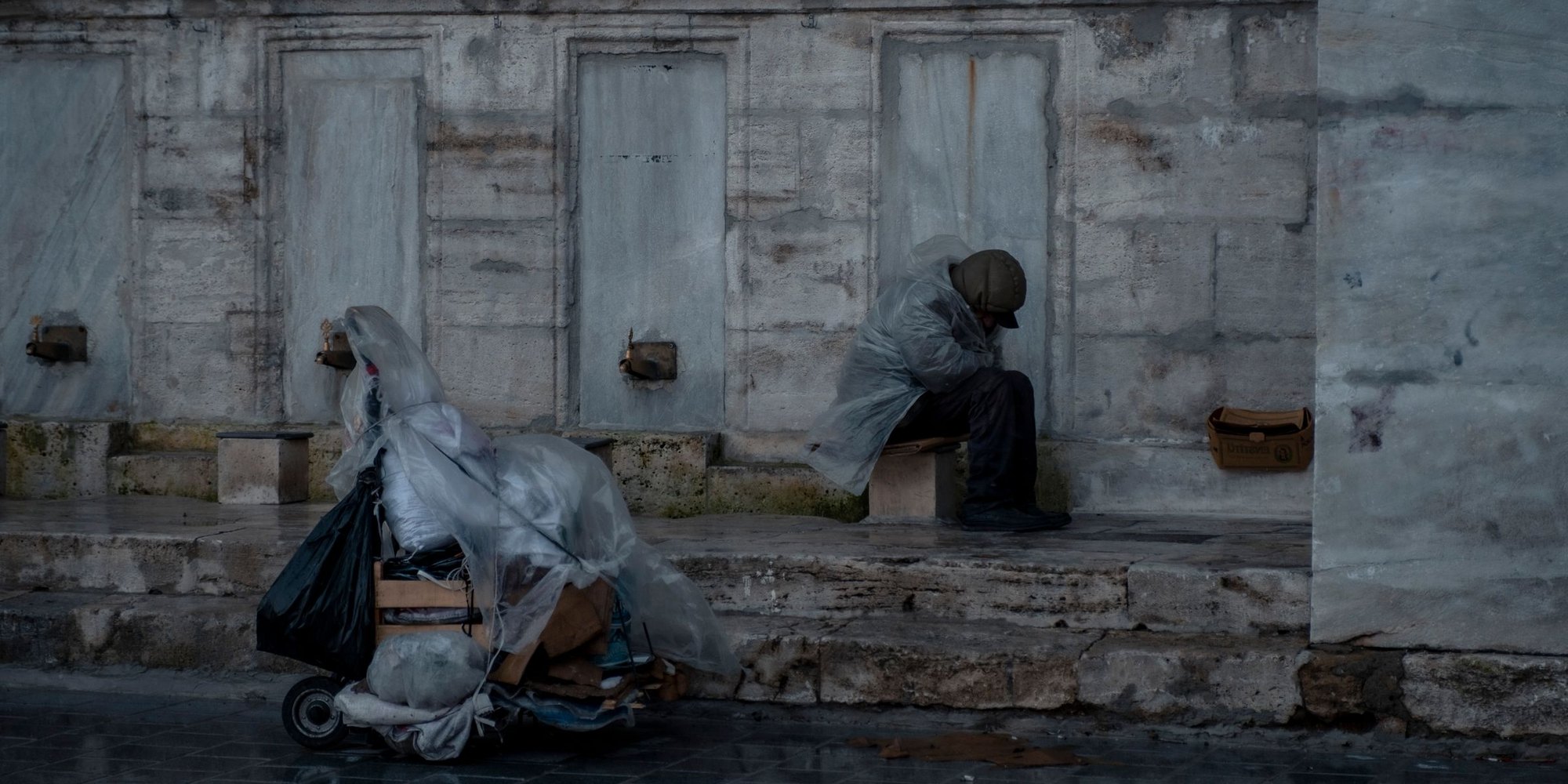
The need
The case for a meal, in numbers.
We would rather show you the data than ask you to take our word for it. Every figure below is published by somebody other than us, dated, and linked at the foot of the page.
Brisbane, counted by name
This is not an estimate. Every one of them was counted by name.
Brisbane Zero, a coalition of 32 organisations, keeps a by-name list rather than a headcount. Between 1 July 2025 and 30 June 2026 it recorded the following people as homeless in Brisbane.
Of the individuals on that list, 604 were First Nations, 54 per cent had experienced violence in the past year, and 52 per cent did not feel safe where they slept. The number of families and individuals surveyed almost doubled over the year.
The bigger group
Most people who cannot afford food are not homeless.
This is the part that surprises people, and it is the reason we set up in a park rather than run a shelter. Hunger in Australia is mostly a housed problem: people in rentals, in work, with children, who run out of money before the week ends.
A meal you can walk up to and take, with no form, no referral and no means test, is not a lesser kind of help. It is the only kind that reaches people in that position.
The services are full
Turning people away is now routine, and rising.
Specialist homelessness services record every request they cannot meet. Nationally those unassisted requests rose from about 110,000 in 2023 to 2024 to about 129,000 in 2024 to 2025, an increase the Australian Institute of Health and Welfare attributes partly to Queensland.
Queensland also had roughly 6,900 clients in housing affordability stress, the second highest of any state or territory.
These are people who asked a funded service for help and did not get it that day. They do not stop being hungry while they wait.
Why it keeps getting worse
There is nowhere affordable to move to.
Food relief is treating a symptom, and we know it. The cause sits in the housing market, and the published numbers on that are stark.
A household that loses its rental in southern Queensland has, on the published evidence, almost nothing to move into. That is the pipeline filling the park.
What we can honestly claim
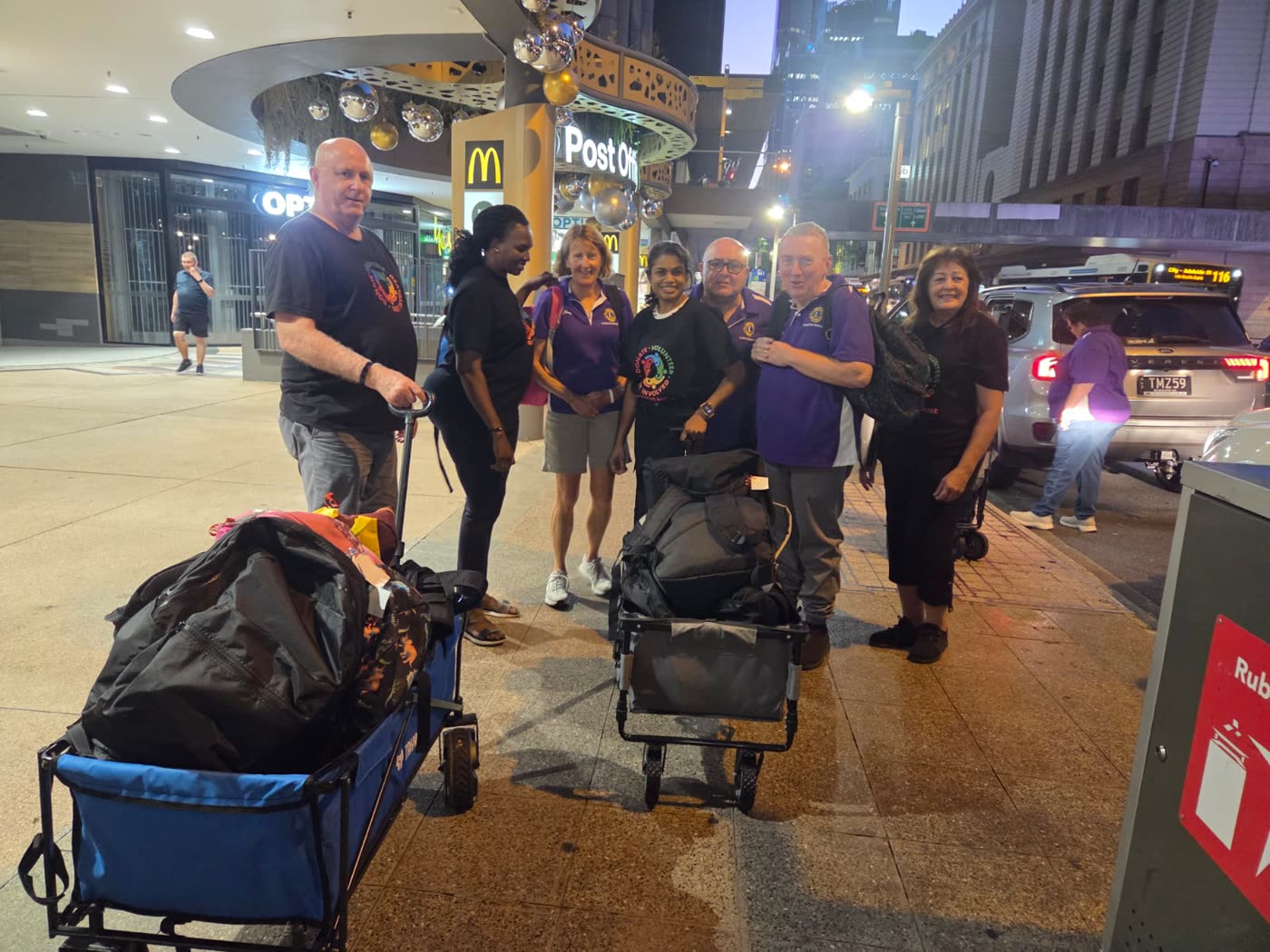
137 people at the last service.
That is our own count, at Tully Memorial Park in North Maclean. Our first four Mondays there were 104, 132, 126 and 137. We do not ask anyone at our tables whether they are homeless, renting or working, so we cannot tell you how our 137 divide up. The national data above suggests most of them have a roof and not enough money.
We are one small volunteer charity and we are not going to fix any of the numbers on this page. What we can do is make sure that on the days we set up, nobody in front of us goes without a meal.
Sources
Check every one of these.
We have linked the publisher rather than a summary of it. If a figure here ever stops matching its source, tell us and we will correct it.
- Brisbane Zero by-name list, 1 July 2025 to 30 June 2026
Compiled by the Brisbane Alliance to End Homelessness, backed by Micah Projects. Reported by ABC News, 4 August 2026. - Foodbank Hunger Report 2025
Thirteenth annual national survey, released 5 November 2025, covering the 12 months to July 2025. - Specialist Homelessness Services annual report 2024 to 2025
Australian Institute of Health and Welfare, unassisted requests for services. - Queensland social housing register, July 2026
Queensland Government figures, reported by ABC News, 19 August 2026. The register counts people, not households. - Rental Affordability Snapshot 2026, southern Queensland
Anglicare Southern Queensland, from a survey of 8,163 listings taken over one weekend in March 2026.
Figures on this page were checked against their publishers on 26 August 2026. Nothing here is our own estimate except the Tully Memorial Park figures, which are our own count.